.png)
Record-High Gold Price: What Does It Mean for Investors?
December 31, 2025
Key Takeaways
- Gold reached an all-time high price in October 2025, eclipsing $4,300 per ounce.
- The record-high gold price in 2025 is an indicator of widespread anxiety about geopolitical tension worldwide, interest rate concerns, and inflation.
- Investors should ideally diversify their portfolios with a mix of stocks, bonds, and gold to safeguard their assets against unpredictable political and financial events.
Your investment portfolio’s stocks are the fuel for taking your net worth to the next level, while the bonds are your go-to source for income and stability. Your gold? It’s your wealth’s “safe space” – the hedge you need during tough times.
The price of gold has increased over the years in lockstep with inflation, climbing back up to over $4,200 per ounce in late November 2025 after a brief fall from its October peak. The upward trend of the value of gold looks promising on the surface, but what does it actually mean for investors?
Let’s explore gold’s historical high price and how the record-high gold price will impact investors in the months and years ahead.
1. What Is the Highest Price Gold Has Ever Been?
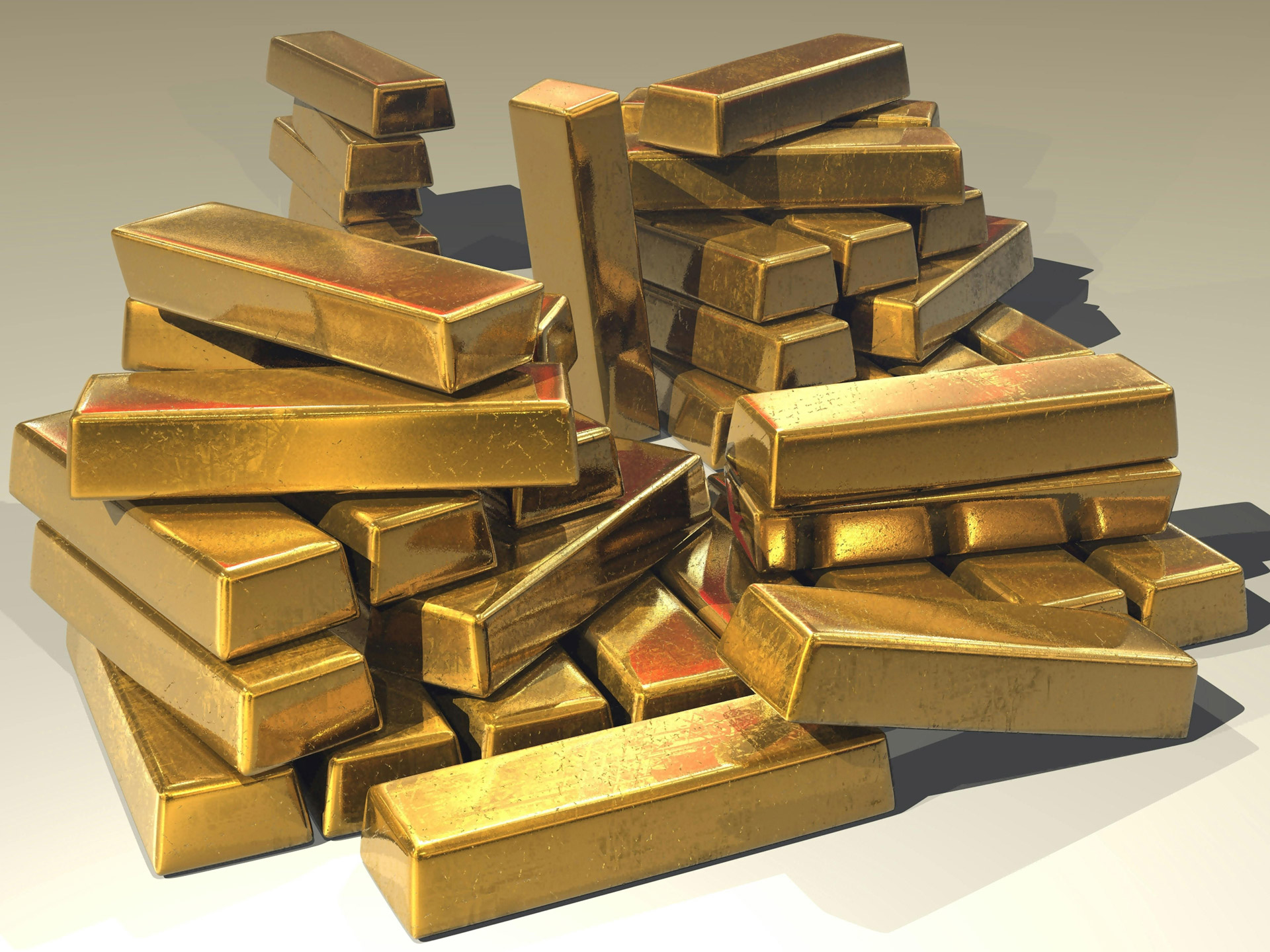
Gold reached a record-shattering price in 2025, climbing to $4,378.97 an ounce on October 20. This price surpassed the 1980 and 2020 pandemic peaks when adjusted for inflation. This milestone reveals gold’s resilience and lasting relevance throughout the decades.
However, the record-high gold price has also raised questions about whether gold is overvalued and might undergo a price correction if and when conditions stabilize. Some investors are opting to sell their gold for profit now in light of gold’s all-time high price, while others continue to hold onto it as a store of value in times of uncertainty.
2. Gold, Investors’ Safe Haven
Gold has earned a reputation as a major safe haven due to being used as a wealth preserver for centuries. When the equity markets shake and currencies grow weaker, investors rely on gold since it’s tangible, not linked to corporations’ or governments’ creditworthiness, and universally recognized.
The record-high gold price in 2025 points to widespread anxiety regarding financial stability globally. Investors interpret the increase in the gold price as proof that gold continues to be the primary fallback when investors’ confidence in fiat currency erodes. Gold prices historically spiked during crises such as the Great Recession in 2008 as investors looked for a refuge for their assets, and the record-high gold price in 2025 echoes this same behavior.
3. Currency Weakness and Inflation
Rising gold prices usually point to inflationary pressures. Persistent inflation throughout major economies in 2025, combined with concerns regarding the weakening United States dollar, caused gold’s price to soar. Since gold assets are priced in American dollars, foreign investors can purchase gold more cheaply when the dollar is weaker, increasing demand. This means buying gold can help investors create a much-needed hedge against crumbling purchasing power, as gold may preserve its value more effectively than cash in the bank. The record-high gold price in 2025 suggests that investors anticipate that inflation will persist, making gold a popular “insurance policy” for protecting their wealth.
4. Interest Rate Concerns
Today’s central banks have a major impact on gold’s price. The Federal Reserve in 2025 struggled to control inflation while promoting economic growth, creating uncertainty. A higher interest rate usually makes bonds more attractive than gold since gold doesn’t produce income, but when the interest rate is negative or low, gold takes center stage.
Investors view a record-high gold price as proof that central banks can’t stop inflation. They therefore turn to gold as the strategic hedge they need against central bank policy blunders, particularly when a rate increase fails to control inflation or risks triggering a recession.
5. Geopolitical Risk
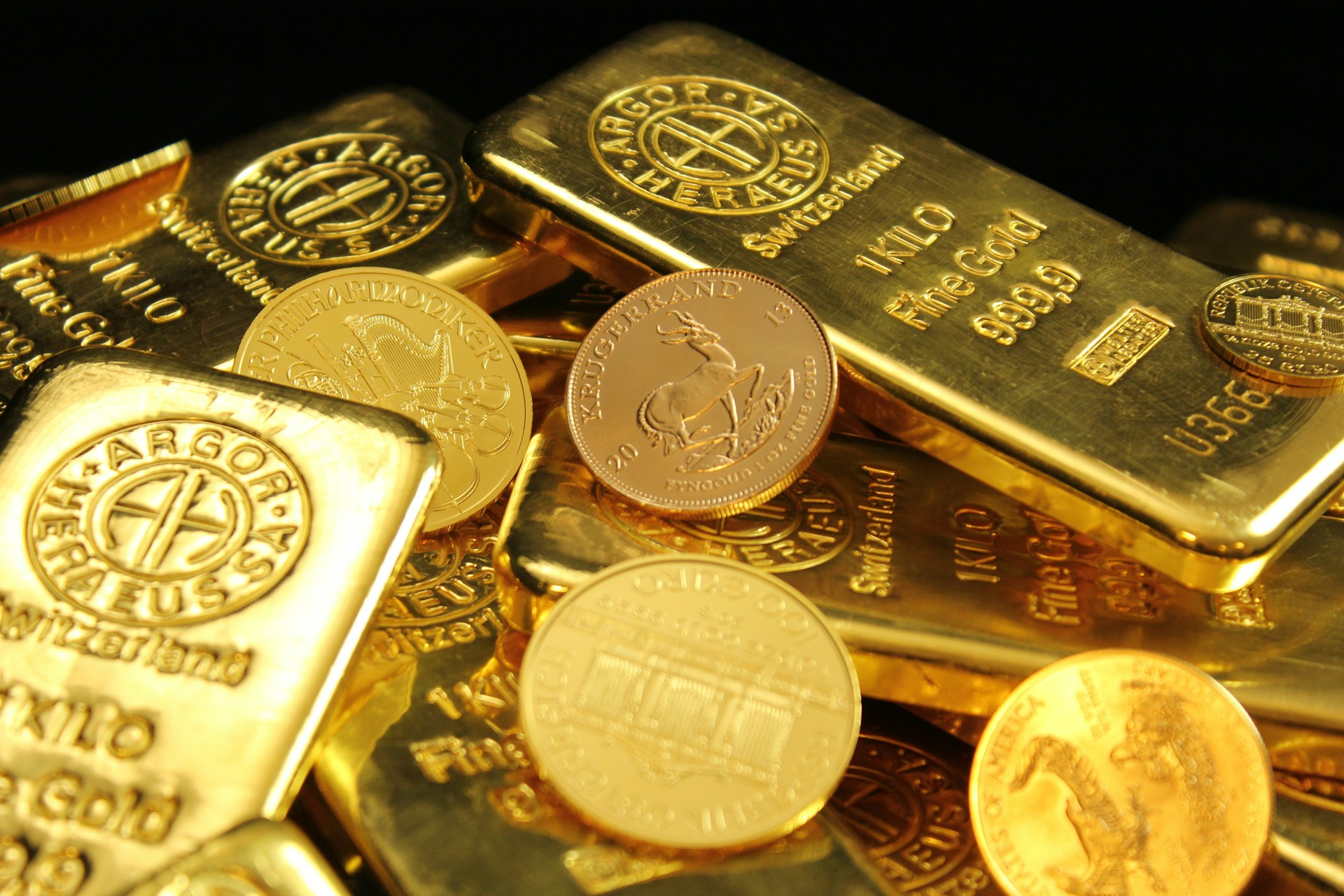
The record-high gold price in 2025 partially stems from global instability. Political challenges in the United States, Eastern European tension, and Asian trade disputes all fueled unease among investors in 2025, causing them to flock to gold since political turmoil doesn’t usually affect gold negatively. Gold can therefore help insure investors against unforeseeable events that cause markets to become shaky, such as government shutdowns, sanctions, and wars. Gold price spikes’ link to geopolitical crises historically has cemented gold as a go-to indicator of risk sentiment worldwide.
6. Diversifying Portfolios
The record-high gold price reinforces gold’s role in portfolio diversification. Gold assets should ideally make up between 5% and 15% of an investor’s portfolio. Having less than 5% doesn’t offer meaningful protection in a time of inflation and economic volatility. Making gold more than 15% of your portfolio means you have too much of an asset that doesn’t yield income. Staying in the 5% to 15% range helps ensure you enjoy financial stability while not sacrificing the growth potential associated with other investments.
When equities (like stocks) take a dip, gold helps offset these losses, keeping overall returns strong. In 2008, for instance, portfolios that contained gold experienced less volatility. The high gold price in 2025 reveals the ability of gold to balance out the risks associated with bonds and stocks, reinforcing the idea that it is a portfolio stabilizer.
7. Important Considerations
Gold doesn’t generate interest or dividends, so the value of gold depends on its price appreciation only. If geopolitical tensions or inflation die down, gold prices may take a dive, hurting investors. For this reason, investors should allow gold to complement their portfolios, not dominate them.
Invest in Gold With Confidence Through Endeavor Metals Group
At Endeavor Metals, we are a leading provider of physical gold, silver assets, and other precious metals (like platinum and palladium), both online and in-store in South Florida. Our precious metals for sale are available in the form of coins, bullion bars, and numismatics – commemorative coins that have value above and beyond the base value of the precious metal.
Our precious metal dealers are also passionate about educating our clients on the best investment products for their unique needs. We even provide a seven-day, 100% money-back guarantee, even if the gold market has a downturn, as we’re committed to putting our clients first. Diversify your investment portfolio by purchasing precious metals today.
Contact Us Today!

Have a question? Call 855.753.3575 and speak with a live representative.